Differential
What Is Wrong With My Differential?
The differential is a critical component in your automobile’s transmission system. It enables your vehicle to navigate effortlessly in various road conditions and around corners. But how does your differential work and how can you maintain it? Here’s Sutton Tire Inc.'s expert guide into the different types of differentials, how they work, and common signs of a failing differential. We’ll also cover how we at Sutton Tire Inc.can help with fixing differential issues.
What Is a Vehicle Differential?
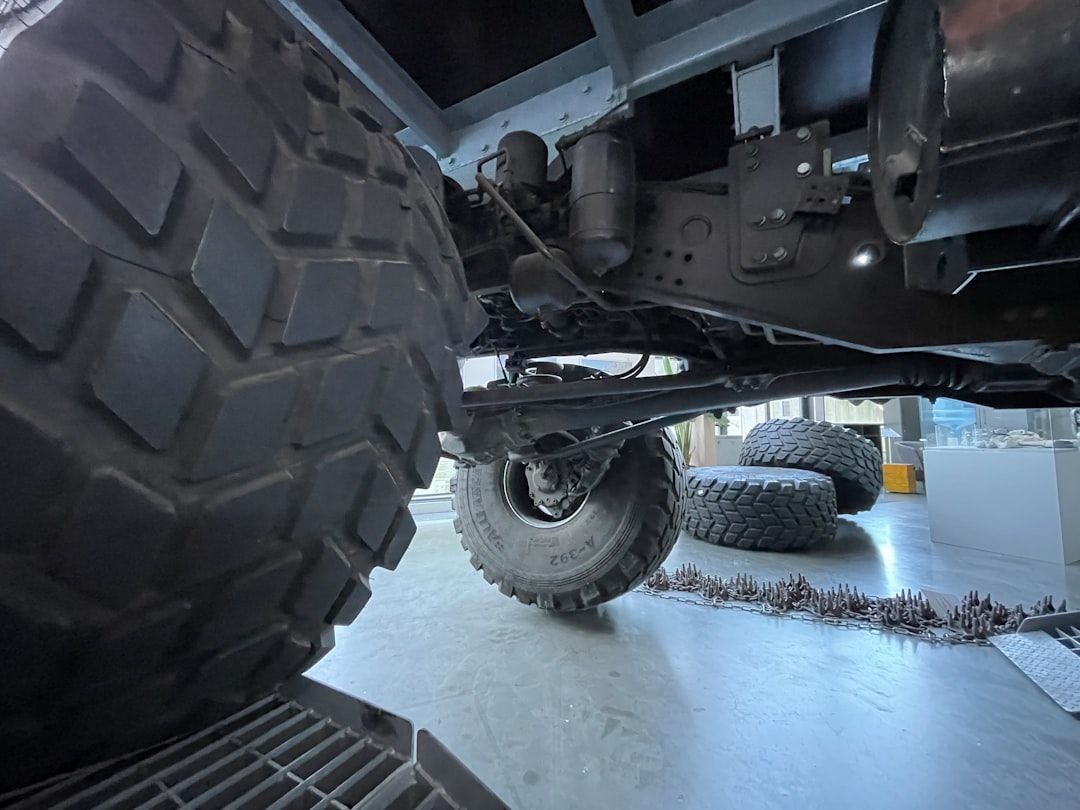
The tires on your vehicle often spin at different speeds, and while turning around bends they have to cover different distances. To avoid destabilizing your drive, the vehicle utilizes the differential to compensate when making the turn. It achieves this by directing power to the wheels and controlling their speed. Some of its key components that we at Sutton Tire Inc. can help service to enable a stable and efficient driving include:
- Crown wheel or ring gear
- Drive shaft
- Planet pinion
- Half shafts
- Ring cage
- Sun gears
- Cross pin
Where Can You Find Your Automobile’s Differential?
Some of the locations where our professionals at Sutton Tire Inc. have identified the differential include:
- The Front-Wheel Drive: Also called a transaxle, this differential is at the front axle between the two front tires. It also has a direct link to the transmission and engine.
- The Rear-Wheel Drive: This differential is present on the real wheel axle. In addition, the driveshaft that runs up the vehicle’s underside, connects it to the engine and transmission.
- All-Wheel Drive: A vehicle with the AWD, has three differentials that are at the vehicle’s center, rear axle, and front axle near the engine. This differential system can apply more power to any wheel, often the one with least resistance.
- Four-Wheel Drive: This automobile type utilizes a different differential setup to the AWD system. It locks the front and rear wheel axles together, which ends up distributing power equally to the back and front axles. This differential system is excellent for low-traction situations. However, it is not ideal for dry pavement navigation which can lead to unnecessary vehicle stress.
What Are the Different Types of Differentials?
Some of the common types of differentials our auto care professionals at Sutton Tire Inc. encounter include:
Open Differential: This is the simplest differential type that comprises three or four gears in a square configuration within a differential case. This system delivers the same amount of torque to all four wheels. It is a cost effective and simple design that offers smooth cornering by enabling the outer wheel to rotate faster.
However, it provides limited traction since the power ends up split between both tires. This result in less grip and can easily spin or lose traction especially in icy conditions or off-road situations.
Limited Slip Differential: This innovative differential helps to address some of the issues that arise in the open differential. It allows the normal differential action by shifting the torque to the non-slipping wheel when making the turn.
A few of the different types of limited slip differentials include the:
- Mechanical Clutch LSD: One of most common LSD that shares similar elements to the open differential, with an additional set of clutches and a spring pack. It is ideal for icy roads as it enables your vehicle to move forward, but with less power than usual.
- Viscous LSD: This differential is present in the AWD vehicle types.
- Locking Differential: An excellent differential for many off-road vehicles.
- Torsen Differential: This variant is present in high performance AWD automobiles. "Torsen" stands for "torque sensing," which means it lacks viscous fluid, clutches, and electronics. Whenever there’s a loss in torque in one wheel due to lack of traction, the power shifts to the non-slipping tire.
What Are the Common Signs of a Failing Differential?
If you experience any of the following signs of bad differentials below, you can have a differential service scheduled at Sutton Tire Inc.:
- High pitched whining or howling noises when decelerating or accelerating that may indicate gear issues or worn bearings.
- Clunking or banging sounds when cornering or shifting gears.
- Excessive vibrating while driving that may be due to worn U-joints, internal differential problems or imbalanced driveshafts.
- Fluid leaking from the axle seals or differential housing. If unchecked it can lead to overheating and early wear.
- Uneven tire rubber wear.
Let’s Shift Gears on Differential Trouble: Get Differential Service at Sutton Tire Inc.
Your differential can benefit immensely from regular maintenance available at Sutton Tire Inc.. Our experts perform the following to enable your vehicle run optimally:
- Differential fluid checks and changes
- Seal assessments and replacements
- Gear and bearing inspection
- Alignment checks
Contact us at (706) 754-6241 or visit us at 293 Monroe St, Clarkesville, GA 30523 to learn how to check differential fluid and deal with a bad differential vs bad wheel bearing.